#Watertown #MITShooting: Unfiltered News vs Speculation

» 19 April 2013 » In Commentary, Social Web, Visualizations » No Comments

watertown

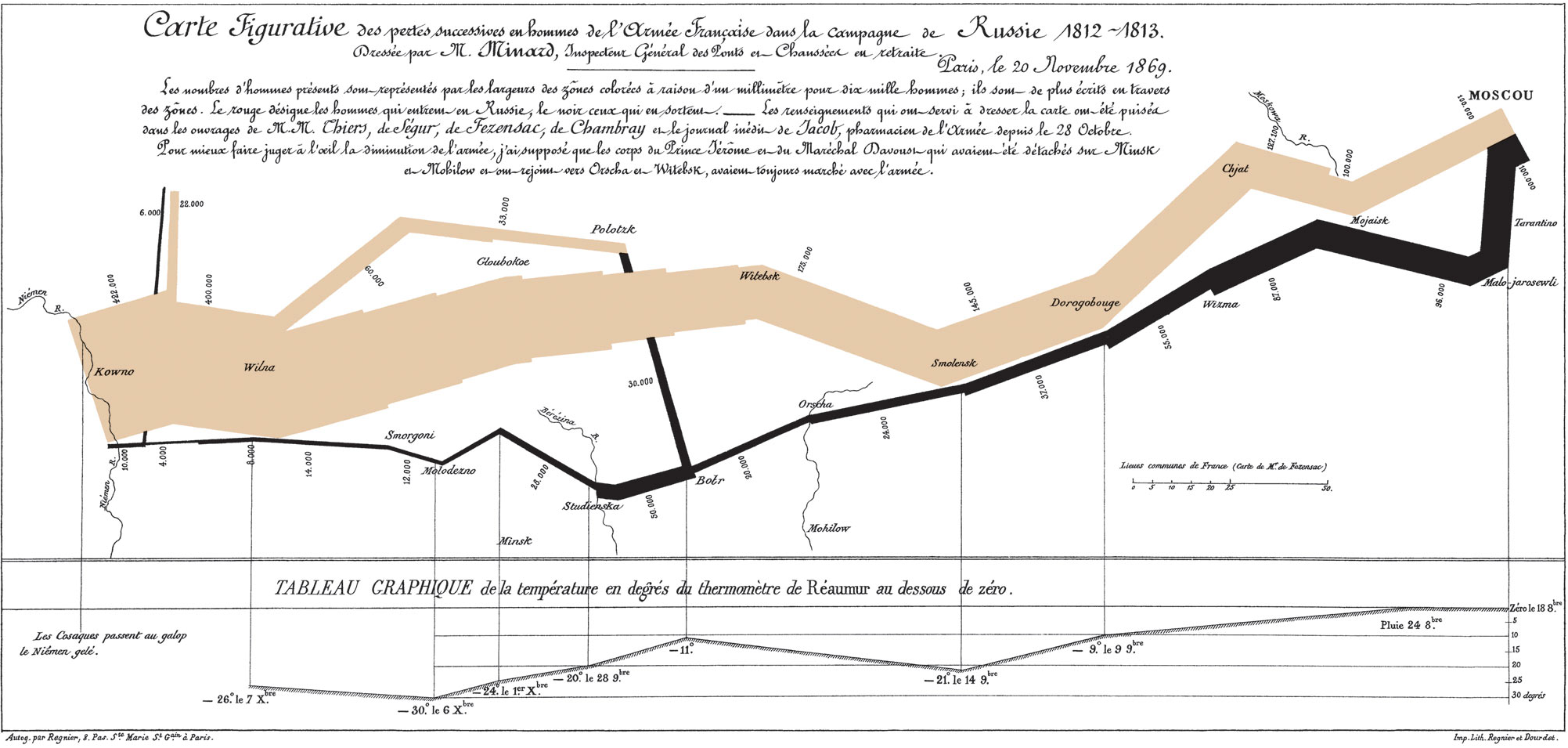
This morning, Twitter broke the story of the events in Watertown MA. Following the hashtags #Watertown and #MITShooting, I selected a few  tweets from roughly 2:10- 2:15 AM Boston Time.

As I tried to sort fact and speculation, I was reminded of a post I did a few years ago What Happens in Schools When Life Has become an Open-book Test?

I grew up in an era of top-down information flow - book publishers, newspapers, magazines, network TV, radio. I was accustomed to someone else making decisions about what I should read, watch and listen to. They created information, I consumed it. … Fast forward to a digital age which has fractured the information flow - fragmenting it into ever smaller pieces: LP record > CD > single song download > ringtone. Now we are armed with gadgets that allow us to re-assemble the info bits; by-passing the curatorial function that had been served by the legacy mass media. Who needs a Walter Cronkite? I can be my own editor, reviewer, researcher and entertainment director. … What happens in schools when life has become an open-book test? … Students are adrift in a sea of text without context.

Note: A few hours has passed since these Tweets appeared and the connections between the Watertown event and the Boston Marathon bombing continue to unfold. Looks like Twitter's crowdsourcing scooped the major new outlets. But are we ready to curate our own news?

Tags: , , , , , , , ,

Four Keys to Teaching Students How to Analyze

» 07 November 2012 » In Ed Tech, How To, Literacy, Publishing, Strategies » 8 Comments

4 keys-featured

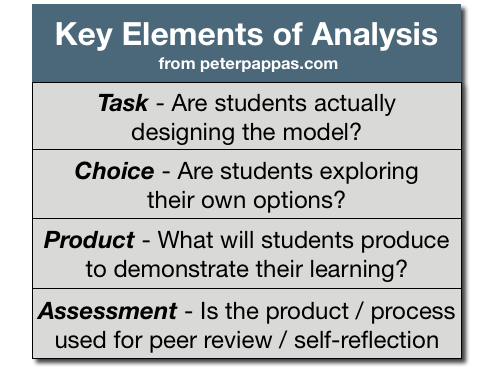
Too often teachers give students a Venn Diagram and ask them to compare. What looks like analysis on the surface is often no more than re-filling information from the source material into the Venn. Summarizing and comparisons are powerful ways to build content knowledge and critical thinking. But if students are going to master CCSS skills they need to design the model, find a way to express it to others, and have the opportunity self reflect on their product and feedback from peers. Here’s how to teach analyzing.

I will demonstrate how to meet these four keys to teaching analysis with FlipNLearn, a foldable that students design, print and share. It’s an innovative learning tool that students design on a computer, then print on special pre-formatted paper. FlipNLearn is a great way to give students a manageable design challenge that promotes teamwork, self-assessment and reflection. In 30 minutes, or less, they can produce tangible product that blends the best of PBL and CCSS skills in communication.

Tags: , , , , , , , , , , , , , , , , ,

Multi-Touch iBook – Experience the US Homefront in WWII

» 13 September 2012 » In Ed Tech, History / DBQ's, Publishing, Strategies » No Comments

homefront featured

My iBook Why We Fight: WWII and the Art of Public Persuasion is now available at iBookstore. Designed as multi-touch student text, it focuses on the American response to WWII – especially the very active role played by government in shaping American behavior and attitudes.

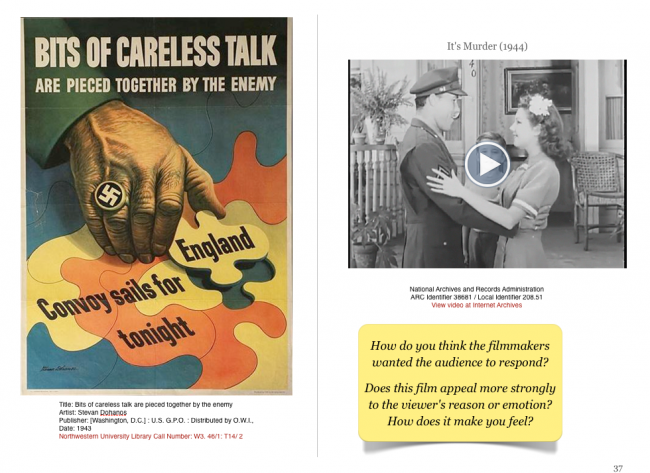
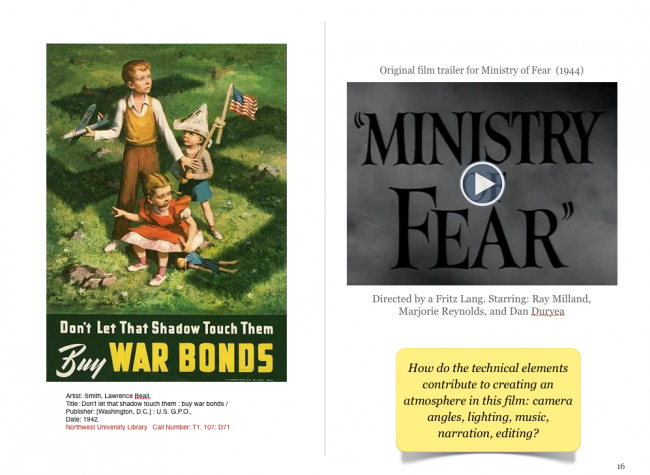
It features 13 videos including rarely seen cartoons like “Herr Meets Hare” (1945) starring Bugs Bunny, government films “What To Do in a Gas Attack” (1943) and Hollywood wartime flicks like the “Spy Smasher” cliff hanger series (1942).

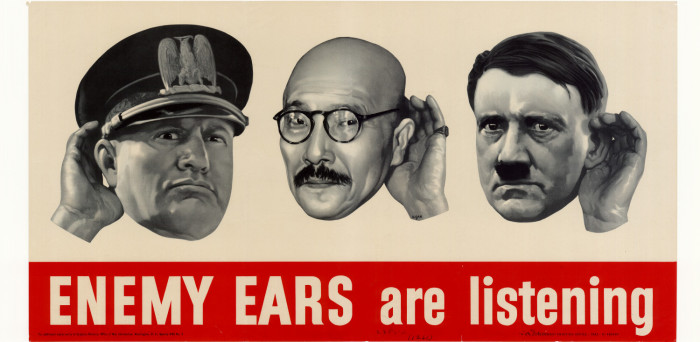
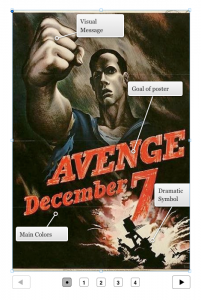
View naval deck logs detailing the attack on Pearl Harbor. Listen to FDR’s “Day of Infamy” speech while you read his handwritten notes on the first draft of the speech. Listen to man-in-the-street interviews recorded the day after the Pearl Harbor attack. Swipe through an interactive timeline map detailing early Axis victories of the war. Use an interactive guide to interpret over 40 wartime posters. Students can use an iPad-friendly historic document guide to analyze all the documents and share their observations with peers and teachers.

Tags: , , , , , , , , , , , ,

What is Writing For?

» 15 August 2012 » In Commentary, Literacy » No Comments

learn-to-write-featured

What is writing for? The answers seem obvious — communication, persuasion, expression. But the real answer in most classrooms is this: writing is for making assigned writing. Throughout their education, students everywhere are asked repeatedly to write papers that are inherently insincere exercises in rearranging things they’ve read or been told — papers in which their only stake is a grade.

Tags: , , , , , ,

Common Core Skills: Deeper Reading and Critical Thinking

» 31 July 2012 » In Ed Policy, History / DBQ's, Literacy, Strategies, Teachers » No Comments

First automobile-featured

Across the county teachers are looking for lessons and resources to implement new Common Core standards. While some see Common Core skills as something new, most of these skills are exemplified in the well established, document-based approach to instruction. As a long-time advocate of DBQ’s, I’ve re-posted sample lessons (elementary, middle and high school) that demonstrate how to build student skills in literacy and critical thinking, while supporting mastery of the Common Core.

Tags: , , , , , , , , , ,

Reflections on Working with iBook Author

» 27 June 2012 » In Ed Tech, History / DBQ's, Publishing, Reflection » 13 Comments

IBA-featured

At the core of the creative process is the willingness to step back, reflect on what you’ve accomplished, ask how it’s going and then get back to working on it some more. So after a few weeks of using iBooks Author (IBA), I thought it was time to practice what I preach. I’ll use this post to explore my initial reaction to working with IBA framed with by thoughts on the reflective process. As I took a closer look at IBA, I realized that while it presented some interesting opportunities, IBA had some notable shortcomings. On the plus side, it’s very easy to create an engaging mix of text, images, recordings, and videos. Perfect for my first IBA project – a document-based history iBook.

Tags: , , , , , , , ,

Learning Catalytics: BYOD Managed Student Centered Learning

» 09 April 2012 » In Ed Tech, PD, Presentations, Teachers, Web 2.0 » No Comments

LC panel featured

I’ve long held that staff development should model what you want to see in the classroom, and for that reason I wouldn’t do a workshop without using a student response system. (SRS). Learning Catalytics is a powerful “bring your own device” SRS system that has an array of powerful response monitoring and reporting tools. It’s a stand out at fostering peer discussion. Here’s my observations from my experience with Learning Catalytics. I encourage other educators to give it a try. Learning Catalytics is currently running a free trial subscription good for up to 100 students for 30 days.

Tags: , , , , , , , , , , , , ,

Mental Mapping: Video Game Maps Drawn From Memory

» 13 January 2012 » In Strategies, Students, Visualizations » No Comments

Super-Mario-featured

Games are interaction with rules. They mimic the scientific method – hypothesis tested to overcome obstacles and achieve goal while operating inside prescribed system of boundaries. Video games provide failure based learning – brief, surmountable, exciting. While failure in school is depressing, in a game it’s aspirational.

Josh Millard recently began curating a growing collection of video game maps drawn from memory at his site Mapstalgia. Submissions range from detailed rendering to sketches on the back of a napkin. But they all demonstrate a great way to teach mental mapping skills – spatial relationships, sequence, causation, scale, location, and measurement.Use Mapstalgia as an example for your students. Then give them a chance to have fun while demonstrating their ability to translate gaming worlds into two dimensional representations. Let them compare maps of the same game to design their own mapping rubric. Explore different representations of game elements for clarity and design.

Tags: , , , , , , , , , , , , , , , , , , , ,

Following the Backchannel at COSA 11

» 04 August 2011 » In Events, Visualizations » No Comments

cosa-11-small

Here’s your backchannel resource to the 2011 ODE / COSA Summer Assessment Institute in Eugene Oregon. August 3-5, 2011. It features both Wiffiti visualizer and Storify social web curating tool.

Tags: , , , , ,

Teachers, Have the Courage to be Less Helpful

» 19 July 2011 » In Commentary, Strategies, Teachers » 14 Comments

how-question-preview

Most of our students get a steady diet of force-fed information and test taking strategies. We’re giving a generation of kids practice for predictable, routine procedures. Here’s thoughts on how you can begin to “be less helpful” and give students practice in “figuring it out” for themselves. That’s where the real learning will take place.

Tags: , , , , , , , ,